A Caseworker-Friendly Visa File: Organising UK Evidence Before You Submit
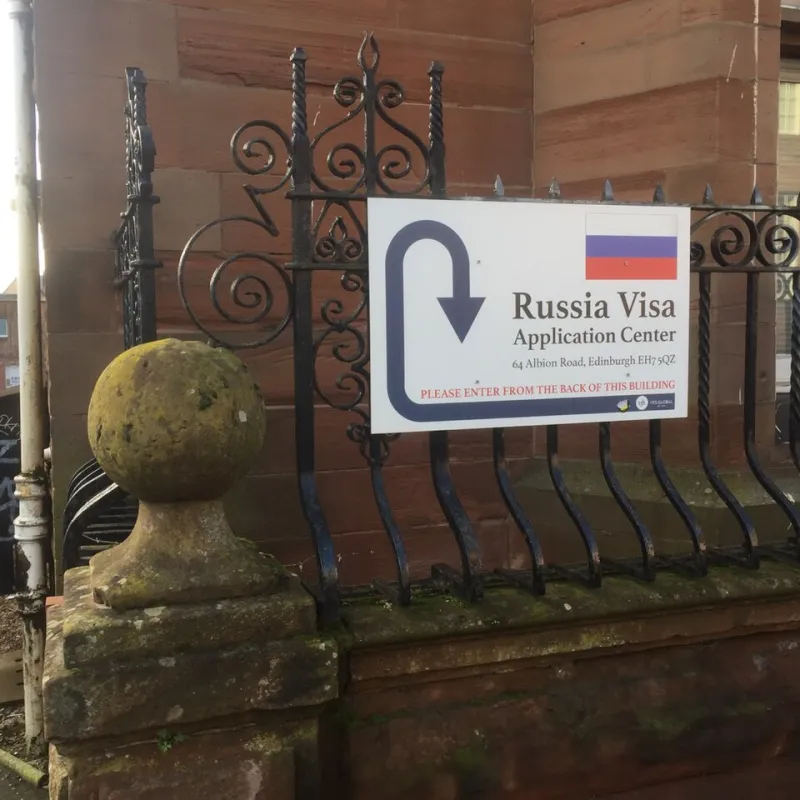
Photo: Richard Webb , CC BY-SA 2.0, via Wikimedia Commons
A visa application is read by a caseworker who may have only a short time to understand your circumstances. The decision often turns not on how many documents you send, but on whether the evidence is clear, consistent and complete. A calm, well-ordered file helps. A rushed folder of screenshots and partial statements does not.
This guide is general information, not legal advice. The right evidence depends on your route, your history and the rules in force on the date you apply.
Start with the route, not the folder
Before printing bank statements or requesting letters, identify the exact route you are applying under and read the current guidance on GOV.UK. Different routes have different mandatory documents. A document that is essential for a spouse visa may be irrelevant for a skilled worker application, and vice versa.
Make a short list of what the route requires. Separate mandatory evidence from supporting evidence. Note the date you checked the guidance and keep a copy of the checklist you used. Rules and forms change, and a file built to last year's list can create avoidable problems.
Build an index and a short chronology
A covering index is not a decorative extra. It tells the caseworker where to find each point. List sections in the same order as the application form or guidance, number the pages and use clear labels such as identity, financial evidence, relationship history, accommodation and English language.
A one-page chronology can also help. Set out key dates in order: when you met, when you married or formed your relationship, when you began living together, when you changed jobs, when you entered or left the UK. Keep it factual and tie each date to a document in the file. Do not use the chronology to argue the case at length; use it to make the sequence easy to follow.
Check identity details line by line
Small differences in names and dates cause disproportionate delay. Compare your passport, application form, bank statements, payslips, marriage or civil partnership certificate, tenancy agreement and educational certificates. Look for maiden names, married names, middle names omitted on one document, transposed dates of birth and spelling variations.
If a document uses a different name, explain why and provide evidence linking the names. Do not assume the caseworker will infer it. Consistency is not a technicality; it is part of showing that the documents relate to the same person.
Make the financial evidence add up
Financial evidence should tell a simple story. If the route requires a set period of bank statements, provide complete statements covering that period, including pages that show the account holder's name, account number and dates. Do not send only the pages with salary credits. If a statement is missing a page, the caseworker may not be able to verify the balance or the pattern of payments.
Payslips, employer letters and bank credits should match. Check that the employer letter states the role, salary and dates in the format the guidance requires. If you are self-employed, provide the tax and accounting records the route asks for, and be ready to explain any unusual movements in your accounts. Unexplained large deposits can raise questions even when the money is legitimate.
Electronic statements are often acceptable, but follow the specific guidance for your route and bank. Do not alter documents. If you need to explain a transaction, use a short covering note and a supporting document rather than annotations across the statement itself.
Relationship evidence: quality, not volume
For partner and family routes, the question is usually whether the relationship is genuine and subsisting, and whether any cohabitation requirement is met. A small number of clear documents is often more useful than hundreds of undated photographs.
Useful evidence may include a marriage or civil partnership certificate, evidence of cohabitation such as joint tenancy agreements, utility bills or official correspondence, and a concise selection of photographs with dates and context. If you have lived apart for a period, explain why and support the explanation with documents. Do not send a photo album without a guide to what it shows.
Accommodation, English language and health checks
Accommodation evidence should show that the property is suitable and that you will be able to live there. Depending on the route, this may include a tenancy agreement, mortgage statement, landlord letter or property inspection report. Check that the names on the documents match the people in the application.
English language evidence must be in the form the route accepts. A degree may need confirmation from Ecctis, and a test certificate must be from an approved provider. If a tuberculosis certificate is required, use an approved clinic. Keep the timing rules in mind: some documents must be dated within a certain period before application.
Translations, scans and file names
Translated documents should be accompanied by a certified translation that includes the translator's details and confirmation that the translation is accurate. Clear, full-page scans are better than photographs taken at an angle. Do not crop out headers, stamps or page numbers.
Name electronic files sensibly, for example '01 Passport', '02 Bank statements Jan-Jun' and '03 Employer letter'. If you are uploading documents, check the file size and format limits before the final day.
Small gaps that can cause big delays
Some of the most common problems are modest but avoidable: one missing bank statement page, a payslip dated differently from the bank credit, an employer letter that does not confirm the required details, an application address that differs from the tenancy agreement, or a gap in address history that has not been explained.
If there is a gap, explain it. If you have a previous refusal, address it directly and provide the decision letter. Do not conceal a problem in the hope that it will not be noticed. A short, honest explanation with supporting evidence is usually easier to assess than an unexplained inconsistency.
When to pause and take advice
It is sensible to seek advice before submitting if you have a previous refusal, an overstay or immigration breach, a criminal conviction or caution, complex finances, dependants whose status is uncertain, or a route where you are unsure whether you meet the requirements. Advice at that stage can be more useful than paying a second application fee after a refusal.
At Miah Solicitors, we see files that are almost strong enough but contain one unresolved point. Sometimes the solution is a further document; sometimes it is a different route or a clearer explanation. The important thing is to identify the issue before the application is decided.
Final check before you press submit
Before submitting, confirm that the form answers match the documents, that the mandatory evidence is present, that translations are included, that the correct fees and health surcharge have been paid, and that you have kept a complete copy of the file. Check the relevant deadlines and keep your UKVI account details secure.
A visa file does not need to be elaborate. It needs to be readable, consistent and complete. That is the practical standard to aim for.