When Grandparents Seek Contact: Legal Steps After a Family Breakdown
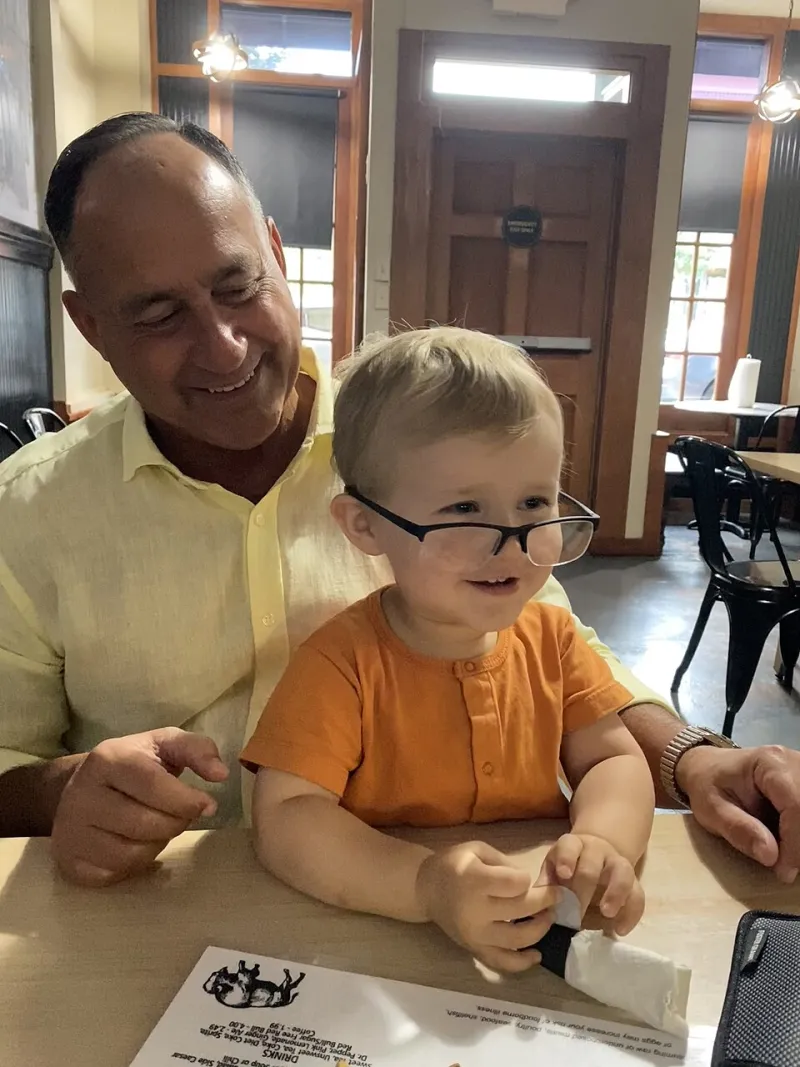
Photo: U.S. Army USAG-RP by [null Courtesy], Public domain, via Wikimedia Commons
Family breakdown is difficult for everyone involved, but grandparents can feel particularly powerless. You may have cared for a grandchild after school, attended medical appointments or been a steady presence for years. When relationships break down, contact can stop suddenly. It is natural to ask what rights you have. The honest answer is that the law in England and Wales does not give grandparents an automatic right to contact. That does not mean there is nothing you can do. It means the focus is on the child and on whether contact is in the child's best interests.
The legal starting point
The Children Act 1989 places the child's welfare at the centre of family court decisions. Parents usually have parental responsibility. Grandparents do not acquire it automatically. A grandparent can ask the court for a child arrangements order, which can set out where a child lives and how much time they spend with particular people. But in most cases a grandparent must first obtain the court's permission to apply. This is sometimes called leave to apply. The court will consider your connection with the child and whether the application is worth considering. It is a filter, not the final decision.
Mediation and family discussion
Before going to court, think about mediation. Family mediation gives everyone a structured space to discuss arrangements with a trained mediator. It can be less adversarial than court and may preserve relationships that will matter to the child later. Courts expect people to try to resolve matters outside court where it is safe and appropriate. There are exceptions, particularly where there are concerns about domestic abuse or safeguarding. If mediation is not suitable, a solicitor can explain why and help you document those reasons.
If you need permission to apply
If mediation does not work, the next step may be an application for permission. The form is usually C100, the same form used for child arrangements. You should provide a clear chronology, explain your relationship with the child and set out what contact you are asking for. The court will want to know whether the application has substance and whether it is in the child's interests for it to proceed. This stage is not a trial of the family's wider grievances. It is a focused assessment of whether the court should look at the issue.
What the court considers
Once the court considers contact, the child's welfare is paramount. The welfare checklist includes the child's wishes and feelings, their physical and emotional needs, the likely effect of any change, any harm they have suffered or are at risk of suffering, and the capability of the people involved to meet their needs. The court will also consider the range of orders available. Evidence of a meaningful relationship matters. Useful evidence can include:
- a short chronology of your involvement;
- photographs, cards, messages and school event invitations;
- records of childcare, appointments or holidays;
- statements from people who have seen your relationship with the child;
- evidence of any financial or practical support you provided.
Quality and consistency are more persuasive than a large pile of unsorted material. The court is not simply counting birthdays and Christmas cards.
Hard truths and common myths
Several myths cause unnecessary distress. The first is that grandparents have a legal right to contact. They do not, in the automatic sense. The second is that a blood relationship guarantees a court order. It does not. The third is that court is a way to punish a parent for blocking contact. The court's role is not to referee adult arguments; it is to decide what is best for the child. That can be sobering, but it also gives you a clear framework. If contact has stopped because of genuine safeguarding concerns, the court will take those seriously. If it has stopped because of a disagreement between adults, the court will try to see past the conflict to the child's needs.
Practical steps for grandparents
Keep your communication calm and child-focused. Avoid asking the child to pass messages or take sides. Keep a dated record of significant events, including attempts to arrange contact. Try mediation if it is safe. Take legal advice before making an application so that you understand the permission stage and what evidence is needed. Court should be a last resort, not because it never works, but because it is slow, stressful and public compared with a negotiated arrangement. Where contact is safe and beneficial, a carefully prepared application can still be the right step.
How Miah Solicitors can help
Miah Solicitors advises on family law matters, including applications involving grandparents and contact with children. We can help you consider mediation, prepare a chronology and understand the court process in England and Wales. This article is general information; every family is different, and advice should be tailored to your circumstances.