Ten Years in the UK: A 2026 Guide to Absences and Long-Residence Settlement

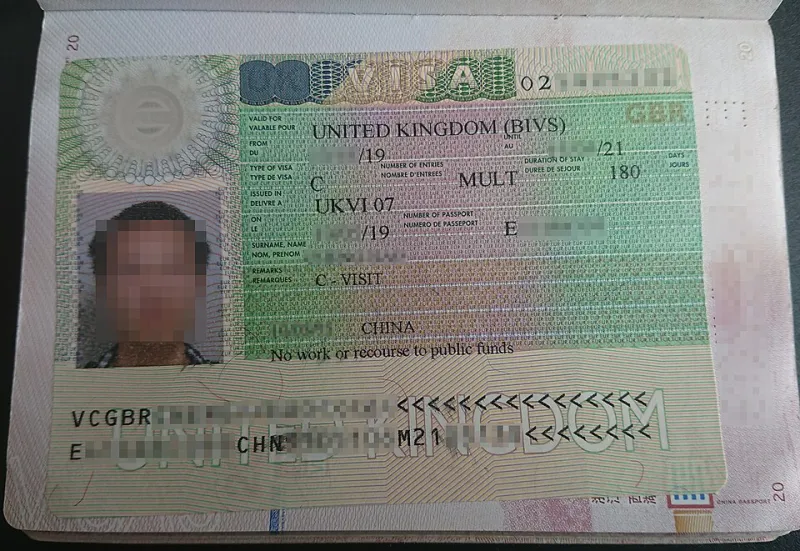
Photo: Droark42, CC BY-SA 4.0, via Wikimedia Commons
Long-residence settlement is one of those areas where a single date in an old passport can matter years later. If you have lived in the UK for a decade, you may have built a home, a career and family life here. It is understandable that a holiday, a work trip or an emergency abroad can make you worry that the route has been broken. The short answer is that absences matter, but they are assessed against rules rather than rumour. This guide explains the main points in plain English as at 2026. It is general information, not a substitute for advice on your case.
What 'continuous residence' means
Under the long-residence route, an applicant normally needs ten years of continuous lawful residence in the UK. Two ideas sit side by side. 'Lawful' residence means you held permission to be in the UK for the relevant period, or had another lawful basis recognised by the rules. 'Continuous' residence means your time in the UK was not broken by the kind of absence or gap that the rules treat as ending continuity. Caseworkers look at the whole period, not just the final few years.
The absence rules in plain English
The Immigration Rules generally expect a long-residence applicant to have been absent from the UK for no more than six months in any 12-month period. A single absence of more than six months will usually break continuous residence. That is the core principle to keep in mind. It is not a calendar-year test that resets each January. You should look at the pattern across the whole ten years and at any rolling 12-month window that could be relevant. Short holidays and ordinary business travel are unlikely to cause difficulty on their own, but many short trips can add up. The day you leave and the day you return should be recorded accurately; do not rely on rough memory.
Limited exceptions exist in the rules, but they are narrow. There is no general exemption for a family emergency or for a long holiday taken for personal reasons. If an absence was unavoidable, evidence and a clear explanation may help, but you should not assume that the clock simply pauses. Take advice before submitting an application if any absence is close to the limit or if you are unsure how it will be treated.
Common worries: holidays, work and family emergencies
Three situations come up regularly. The first is the ordinary holiday: two or three weeks abroad is usually well within the permitted period, provided the rest of the history is in order. The second is work travel: short trips can look harmless individually, but a detailed schedule is essential if you travel frequently. The third is a family emergency: a funeral, a serious illness or a crisis involving a relative abroad can lead to a longer stay. In that situation, keep evidence such as medical letters, death certificates, travel documents and a short chronology. Be honest about the dates. A sympathetic reason is not the same as a legal exception, but a clear explanation is better than an unexplained gap.
Evidence gaps and why they worry people
Many applicants have gaps in their records rather than gaps in their residence. Old passports may be lost. Entry stamps may be faint or missing. An eVisa record may not tell the full story. The aim is to build a consistent picture from several sources. Useful documents can include:
- all passports held during the ten years, including expired ones;
- BRPs, eVisa records and Home Office letters;
- flight tickets, boarding passes and booking confirmations;
- employer letters confirming business travel and holiday dates;
- school, college or university letters;
- GP, hospital, council tax, tenancy and utility records;
- bank statements showing regular activity in the UK.
A short covering letter explaining any discrepancies is often more helpful than a large, unorganised bundle.
Mistakes that create avoidable concern
The most common mistake is guessing. People often remember the big holiday but forget a week here or there. Another mistake is assuming that because entry stamps are absent, the absence does not exist; the Home Office can look at other records and at your own account. A third is submitting an application before checking whether an absence actually breached the rules. It is better to spend time on a travel log now than to answer questions later. Finally, do not ignore a previous overstay, refusal or period without permission. Those issues need careful advice, not a hopeful silence.
A practical 2026 check-up
Before you apply, make a table of every absence: leave date, return date, destination, reason and evidence. Count the days and check whether any 12-month period contains more than six months abroad. Check that you held lawful permission throughout. Collect the supporting documents in date order. Write a brief chronology if there is anything unusual. If you have a gap, take advice on whether it can be explained or whether another route is more realistic. The tone of the application should be calm and factual. Caseworkers are used to seeing complex histories; what helps is clarity.
How Miah Solicitors can help
Miah Solicitors advises on immigration applications and evidence preparation. If you are nearing ten years and are unsure whether an absence has affected your route, we can review your travel history and documents before you submit. The aim is to give you a realistic view and a well-organised application, not false reassurance.