The NRPF Condition: What It Really Means for Your Visa and Your Family
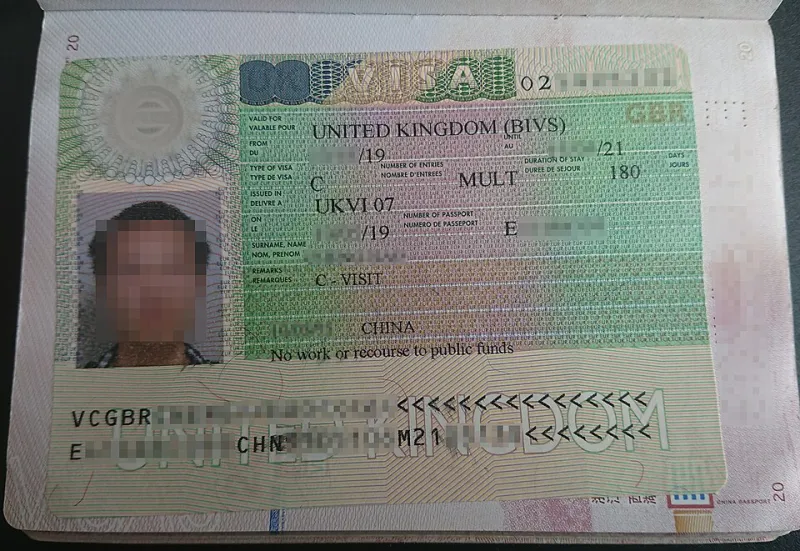
Photo: UK Government, OGL 3, via Wikimedia Commons
Many people first meet the phrase “no recourse to public funds” in a Home Office decision letter or on an eVisa. It can sound absolute, as though every door is closed. In practice, it is a specific immigration condition with a defined legal meaning — and, in some circumstances, it can be changed.
This guide explains what the NRPF condition does, what it does not do, and the practical steps to take if it is causing serious financial hardship for you or your family. It is general information, not a substitute for advice on your own case.
What 'no recourse to public funds' actually means
NRPF is a condition attached to certain types of temporary permission to enter or stay in the UK. It is common on some family and private life routes, among others. If your permission says that you cannot access public funds, receiving most means-tested benefits or certain housing assistance can breach your conditions and put your immigration status at risk.
The key point is that “public funds” is a defined term in the Immigration Rules. It does not mean every publicly funded service. It normally covers benefits such as Universal Credit, income-related Employment and Support Allowance, income-based Jobseeker’s Allowance, Income Support, Housing Benefit, Child Benefit, Child Tax Credit, Working Tax Credit and State Pension Credit, along with some housing and homelessness assistance. The list can change, so always check the current rules or take advice before claiming anything.
What it does not block
NRPF does not usually prevent you from using the NHS, sending your children to a state school, calling the emergency services, or relying on child protection services. It also does not stop you working if your visa already allows work, paying tax and National Insurance, or using lawful sources of support from family, friends or charities.
Some local authority support for children and families may still be available, even where a parent has NRPF. That support is not automatic and often depends on an assessment. Specialist advice is important before you approach a council, especially if children are involved.
There are also some benefits that fall outside the public funds definition, such as certain contributory benefits. Eligibility still depends on your immigration status, your National Insurance record and the benefit rules. Do not assume that a payment is safe simply because it is not means-tested.
Four myths worth clearing up
The first myth is that NRPF means you cannot work. That is not correct. Your right to work depends on the conditions of your visa. If your BRP or eVisa permits work, the NRPF condition does not take that away.
The second myth is that the condition is permanent. It can be lifted in appropriate cases. A change of conditions application asks the Home Office to remove or vary the restriction, usually because of destitution, a risk of destitution, or the welfare of a child.
The third myth is that any help is forbidden. Charitable support, food banks, informal help from family and some statutory support are not the same as claiming public funds. The legal question is whether a particular payment or service counts as public funds under the Immigration Rules.
The fourth myth is that lifting NRPF automatically unlocks every benefit. It does not. Removing the condition means you are no longer barred by the immigration condition; you must still meet the ordinary eligibility rules for Universal Credit, housing support or any other benefit.
When a change of conditions application may work
The Home Office can consider removing NRPF where there is evidence that you are destitute, that destitution is imminent, or that a child’s welfare is at risk. Exceptional circumstances may also be relevant.
“Destitution” is not simply having little money left at the end of the month. It generally means being unable to meet basic needs such as food, shelter and essential bills, or being at real risk of that happening soon. A strong application shows the whole financial picture rather than making a bare assertion.
Useful evidence may include:
- your biometric residence permit or eVisa and any decision letters;
- bank statements for the last three to six months;
- payslips, an employer’s letter, or evidence of reduced hours;
- a tenancy agreement, mortgage statement, utility bills and arrears letters;
- a household budget showing essential outgoings;
- medical evidence, disability evidence or proof of pregnancy where relevant;
- letters from a school, health visitor, social worker or charity supporting your account;
- evidence of any support from family or friends, and why it cannot continue;
- refusal letters for benefits or housing assistance.
The evidence should explain not only what you lack, but why your circumstances are unsustainable. If you have children, show how the restriction affects them. If you are fleeing domestic abuse or have health problems, obtain specialist advice early.
A practical action plan
Start by checking the exact wording of your permission and your dependants’ permission. Keep copies of every document.
Next, build a clear financial chronology. List income, essential spending, debts and any support you receive. Show what has changed and when.
Before applying, consider taking regulated immigration advice. A poorly evidenced application can lead to refusal and delay. If you are already destitute, ask about emergency support options while the application is pending.
If the Home Office refuses, do not simply resubmit the same papers. Ask for advice on whether an administrative review, a fresh application with stronger evidence, or another route is appropriate.
The NRPF condition is serious, but it is not the end of the conversation. With the right evidence and advice, it may be possible to change.