Mismatched Records, Missed Opportunities: Aligning Your Identity Details Before a UK Application
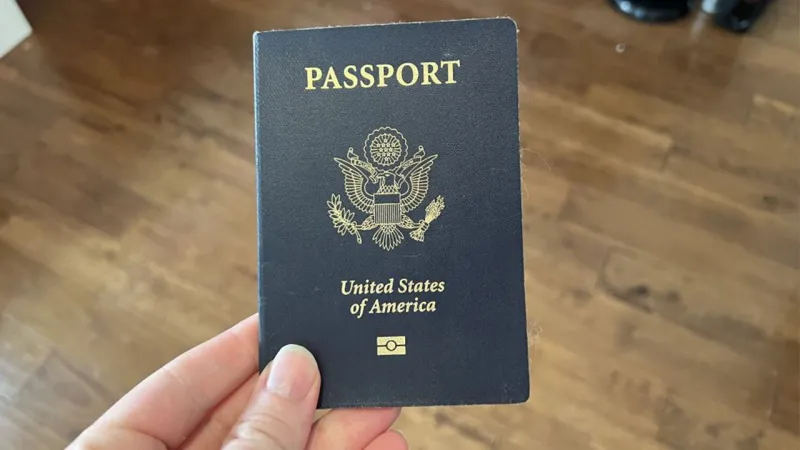
Photo: passport eVisa payslip and identity documents on desk with highlighted name mismatch, via images.foxtv.com
A passport showing 'Mohammed', an eVisa account showing 'Muhammad', a payslip showing 'M. Rahman' and a tenancy agreement showing 'Mohamed' may all refer to the same person. In everyday life, these differences can be brushed aside. In a UK immigration application or right-to-work check in 2026, they can become a credibility problem, an automated mismatch or an administrative dispute with an employer, landlord or agency. The preventative approach is to audit and align your records before you submit anything.
Why small mismatches matter more than they used to
Digital checks, eVisa records and employer right-to-work systems depend on consistency. A Home Office caseworker may compare your passport, application form, payslips, tenancy documents and sponsor records. An employer or landlord may use an online check that fails because the name on a document does not exactly match the name on a visa record. A date of birth written in the wrong order, a missing middle name or a transliteration variant can trigger delays. The issue is not usually that one record is 'wrong' in isolation; it is that the records do not tell a consistent story. Caseworkers and employers are trained to look for inconsistencies, and an unexplained discrepancy can cast doubt on otherwise reliable evidence.
Start with a records audit
List every document that carries your identity details: passport, eVisa or UKVI account, birth and marriage certificates, payslips, P60, employer HR records, tenancy agreement, council tax, bank statements, utility bills, education certificates, professional registration and driving licence. Check spelling, name order, date of birth, place of birth, nationality, middle names, prefixes and suffixes. Do this on a simple table with columns for each document and note every variation. Choose one master version of your name and date of birth, then work out which records need correcting.
Common causes of mismatch
Name changes after marriage or divorce are common. So are deed poll changes, transliteration differences, dual nationality, employer typing errors and date formats. A document may use the family name first while another uses the given name first. None of these is necessarily fatal, but the key is to correct what can be corrected and explain what cannot.
Correct the anchor document first
Your passport is usually the anchor. If your name has changed, consider updating the passport before applying. If you cannot do so in time, gather evidence of the change, such as a marriage certificate, deed poll or statutory declaration. Do not submit an application with a known mismatch and hope it will pass. A short covering letter can explain a genuine variation, but it is better to fix what can be fixed.
Update the eVisa and UKVI account
Sign in to your UKVI account, check your personal details, report changes and upload evidence where the system allows. Keep screenshots or confirmation emails. If the online system will not accept a correction, contact UKVI and keep a record of the request. Avoid creating duplicate accounts, which can create further confusion. If your eVisa shows a different name from your passport, seek advice before travelling or applying.
Speak to employers and payroll
Ask HR to correct your name, date of birth and right-to-work record. Provide your passport and eVisa share code as appropriate. Keep copies of requests and responses. If you are a sponsored worker, inconsistencies between your sponsor's records and your documents can affect compliance. Employers should conduct a compliant right-to-work check, and a mismatch should be resolved rather than ignored.
Tenancy, council and utilities
Landlords and letting agents carry out right-to-rent checks. A tenancy in one name and a visa in another can create friction. Ask for corrections and keep evidence. Council tax, utilities and bank records are not immigration documents, but they support residence and address history. Consistency helps when you are asked to show where you have lived.
How to explain a discrepancy in an application
If a discrepancy cannot be corrected before submission, explain it clearly. Use a covering letter, a chronology and supporting evidence. For example, a marriage certificate may explain a name change; a deed poll may explain a new name; a letter from an employer may explain a payroll error. Do not hide the issue. A brief, factual explanation is usually stronger than a perfect-looking file that collapses at interview.
When a mismatch becomes a dispute
If an employer refuses to correct payroll records, an agency has inserted the wrong details, or a landlord or letting agent treats a minor discrepancy as a right-to-rent failure, you may need to escalate. Start with a written request and a data protection correction request where appropriate. Keep the tone professional. If the dispute affects your job, housing or visa, take advice before making threats or resigning.
A pre-submission checklist
- Passport and eVisa match exactly, or a clear explanation is ready.
- Payslips and P60 match the identity used in the application.
- Employer HR and sponsor records are consistent.
- Tenancy and council records support your address history.
- Marriage, divorce, deed poll or transliteration evidence is included where relevant.
- A short covering letter explains any remaining difference.
- Copies of correction requests and responses are saved.
The bottom line
A mismatch is usually easier to fix before an application than after a refusal. Treat your identity records as a single file, not a set of unrelated documents. If you are unsure whether a difference is material, ask for advice early. At Miah Solicitors, we help clients prepare coherent application bundles and resolve record discrepancies before they become disputes with employers, landlords or the Home Office.