Before You Issue: Why a Letter Before Claim Is Often the Smartest First Move
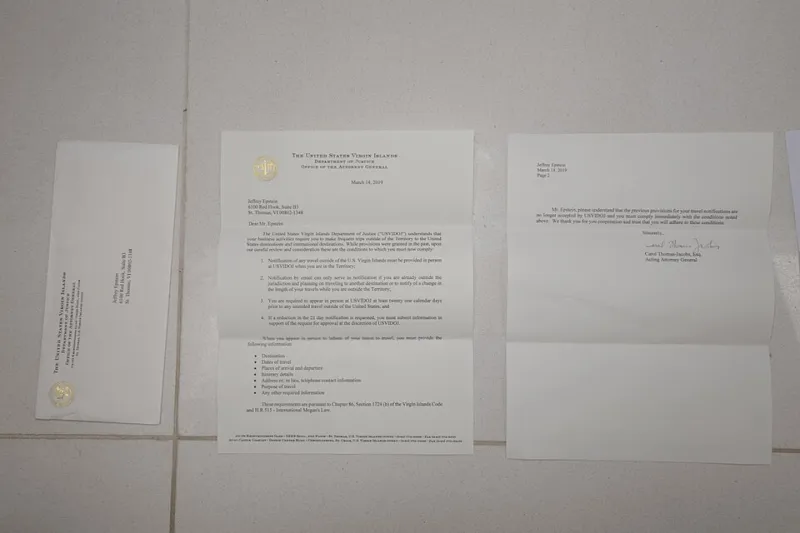
Photo: Federal Bureau of Investigation, Public domain, via Wikimedia Commons
When a dispute begins, the temptation is either to do nothing or to go straight to court. Neither is usually the best first step. In many everyday disagreements, a structured letter before claim is the most effective remedy available, and it is often the one people forget.
What a letter before claim actually is
A letter before claim is a formal notice that you intend to bring a legal claim unless the matter is resolved. It is not a court form, and it does not start proceedings. It sets out what happened, what you say you are owed or what action you want, and a reasonable deadline for a response. In many civil disputes, the Civil Procedure Rules and pre-action protocols expect the parties to exchange information and consider settlement before issuing a claim. Even where no specific protocol applies, a clear letter is good practice.
The letter should be factual rather than emotional. It should identify the parties, summarise the history, state the legal basis for the claim in plain terms, set out the remedy sought, and explain how the other side can respond. It should also enclose or refer to the key evidence. A letter that reads like a demand without explanation is less likely to achieve anything.
Where it works best
A letter before claim is particularly useful in consumer disputes, such as faulty goods, poor workmanship, or a refused refund. It can also help with unpaid invoices, deposit disputes, small debts, and neighbour disagreements about boundaries, drainage, or shared responsibilities. In these situations, the other side may simply need a clear signal that the matter is serious and that there is a defined opportunity to put things right.
It works least well where the other party is determined to deny everything, is aggressive, or has no money to pay. Even then, the letter creates a record and may narrow the issues. But it should not be treated as a magic wand.
How to write one without escalating matters
Tone matters. A letter before claim should be firm, but it should not be abusive or threatening. Avoid accusations about character, sarcasm, and long accounts of personal frustration. Stick to dates, documents, and the remedy you want. A short chronology is often more persuasive than a lengthy narrative.
Give a reasonable deadline. Fourteen days is common in straightforward matters, but the right period depends on complexity. Tell the other side how to respond, whether by letter, email, or payment. Keep a copy of everything. Send the letter by a method that proves delivery, such as recorded delivery or a tracked email, and keep the receipt.
Do not label the letter without prejudice unless you genuinely intend it to be a settlement offer that cannot be shown to the court. A standard letter before claim is usually an open letter. If you are unsure, take advice before sending.
Evidence to gather
Before writing, collect the documents a court would expect to see. That may include receipts, invoices, contracts, terms and conditions, photographs, messages, bank records, expert quotations, and the details of any witnesses. A clear evidence list makes the letter more credible and helps the other side understand that you are organised.
It is also worth checking limitation periods. Some claims must be brought within a fixed period, and a letter before claim does not stop time running in the same way as issuing a claim. If a deadline is approaching, do not rely on correspondence alone.
When a solicitor's letter is worth the cost
There is no rule that a letter before claim must come from a solicitor. In a simple consumer dispute, a well-written personal letter may be enough. But instructing a solicitor can be worthwhile where the legal basis is unclear, the amount is significant, there is a risk of a counterclaim, the other side is represented, or the parties have already failed to communicate.
A solicitor can also help with proportionality. Court fees, time off work, and the risk of an adverse costs order can quickly outweigh a small claim. A fixed-fee letter may resolve the matter for far less than litigation. The question is not whether a solicitor's letter looks more impressive. It is whether the added cost is justified by the complexity and value of the dispute.
The proportionality point
Small claims are designed to be accessible, but they are not cost-free. A party who wins may still recover only limited costs. A neighbour dispute can consume months of time and damage relationships that cannot be repaired by a judgment. A consumer claim over a few hundred pounds may be better resolved by a clear letter and a sensible compromise than by a court hearing.
That does not mean giving up on principle. It means matching the remedy to the problem. A letter before claim gives the other side a chance to do the right thing before public resources and private time are spent on a hearing.
A short structure that works
- Your name and address, and the other party's details.
- A brief chronology of what happened.
- The remedy you want, with a figure or specific action.
- The evidence you rely on.
- A reasonable deadline for response.
- A statement that you may issue proceedings if the matter is not resolved.
Final view
A letter before claim is not a threat. It is a structured opportunity to settle. Used proportionately, it can save money, reduce stress, and produce a clear record if the dispute later goes further. In our view, it deserves a place in every everyday dispute toolkit, provided it is written with care and sent for the right reasons.