Beyond the Payslip: Proving Sponsor Income for a UK Family Visa in 2026

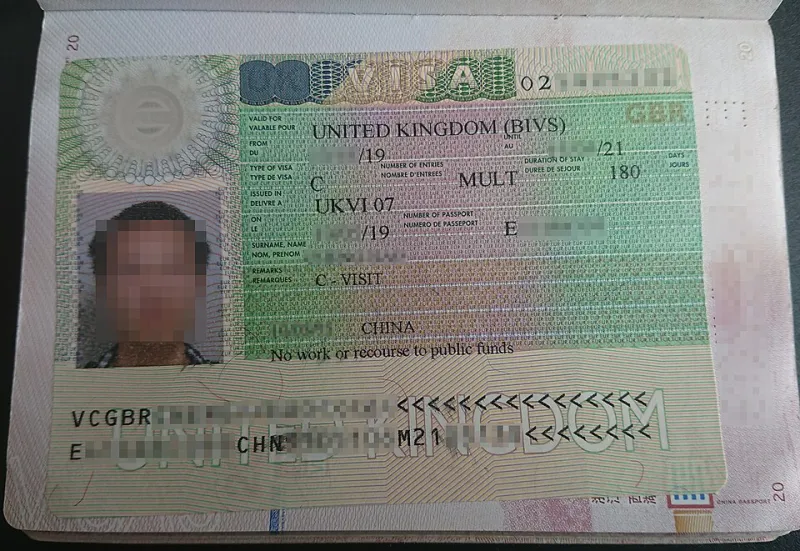
Photo: UK payslips bank statements employer letter paperwork on desk, via facts.net
Family visa applications often turn on paperwork rather than principle. The relationship may be genuine, the sponsor may be working hard, and the couple may have planned carefully, yet a refusal can still follow because the income evidence does not match what the Home Office expects. The salary slip is usually the starting point, not the finishing line.
The legal backdrop in plain English
For many UK family visa routes, the sponsor must show that they meet the Minimum Income Requirement set out in the Immigration Rules and explained in Home Office guidance. The figure can change, and it is always wise to check the current threshold before relying on it. Cash savings may be able to make up a shortfall in some circumstances, but the rules are precise about how savings are held, how long they have been held, and how they are calculated.
The key point is that UKVI is not simply asking whether the sponsor has a job. It is asking whether the income is genuine, lawful, sustainable, and evidenced in the specific way the rules require. A well-paid job with poor paperwork can be harder to rely on than a modest salary with clear, consistent evidence.
Salaried employment: what counts and what does not
For salaried sponsors, the starting point is usually gross pay before tax and other deductions. UKVI will look at payslips, bank statements, and an employer letter. Those documents need to tell the same story. If a payslip shows a payment date that does not appear on the bank statement, or if the employer letter gives a different job title from the contract, the caseworker may ask questions or refuse the application.
Bonuses, overtime, commission, and allowances require particular care. Some variable pay can be counted, but it usually needs to be regular, evidenced over the required period, and confirmed by the employer. A one-off bonus paid shortly before the application may not carry the weight a sponsor expects. The same applies to expense payments, reimbursements, and benefits in kind, which are not simply treated as salary.
Self-employment and company directors
Self-employed sponsors should expect a more documentary approach. Tax returns, tax year overviews, business accounts, and accountant letters are commonly required. The caseworker will want to see the income as declared to HM Revenue and Customs, not just a summary prepared for the visa application. Company directors may need to show salary and dividends carefully, and the evidence must reflect the company's actual position.
A common trap is assuming that turnover is the same as income. It is not. Another is submitting accounts that are unsigned, incomplete, or inconsistent with the tax return. If the business has recently changed structure, or if the sponsor has more than one source of income, professional advice before submission can save both time and fees.
Savings and third-party support
Cash savings can be useful, but they are not a loose fallback. The rules normally require the savings to be held for a specified period and to be under the control of the sponsor or applicant, or jointly held in certain circumstances. The source of the savings may also need to be explained, particularly where large sums have been gifted or transferred between accounts.
Third-party support is another area where good intentions do not always translate into acceptable evidence. A family member's promise to help with rent or expenses will not necessarily satisfy the income rules. Sponsors should not assume that a letter from a relative, however generous, will be treated as income.
The paperwork traps that lead to refusals
Many refusals are not about the amount of money earned. They are about gaps, inconsistencies, and format. Payslips may be missing a page. Bank statements may cover the wrong period. An employer letter may omit required details such as salary, contract type, or length of employment. Online bank statements may need to be official or accompanied by the required verification. Names and addresses must match across documents.
Currency conversion is another frequent issue. Where income is earned abroad, the exchange rate and date of conversion may matter. Self-assessment documents may be filed late or not at all. A sponsor may include a bonus in a calculation without showing that it was paid and confirmed. These are avoidable problems, but they are difficult to fix after a refusal.
A practical checklist before you pay
- Confirm the current income threshold and the exact evidence rules for your route.
- Collect payslips covering the full required period, not just the most recent month.
- Obtain bank statements covering the same period and check that each salary payment appears.
- Request an employer letter that confirms salary, job title, contract type, and any variable pay relied on.
- For self-employment, gather tax returns, tax year overviews, accounts, and an accountant letter where appropriate.
- If relying on savings, show the holding period and explain the source of the funds.
- Check that names, addresses, dates, and amounts are consistent across every document.
- Keep copies of everything and consider a second review before submission.
Final thoughts
Income evidence is not a box-ticking exercise for its own sake. It is how the Home Office tests whether the sponsor can maintain the family without recourse to public funds. A calm, well-ordered file is more persuasive than a thick bundle of unexplained papers. If the income is borderline, comes from several sources, or includes self-employment or savings, it is sensible to take advice before paying the application fee.