The Birthday That Changes the Application: Visa Planning for a Child Turning 18

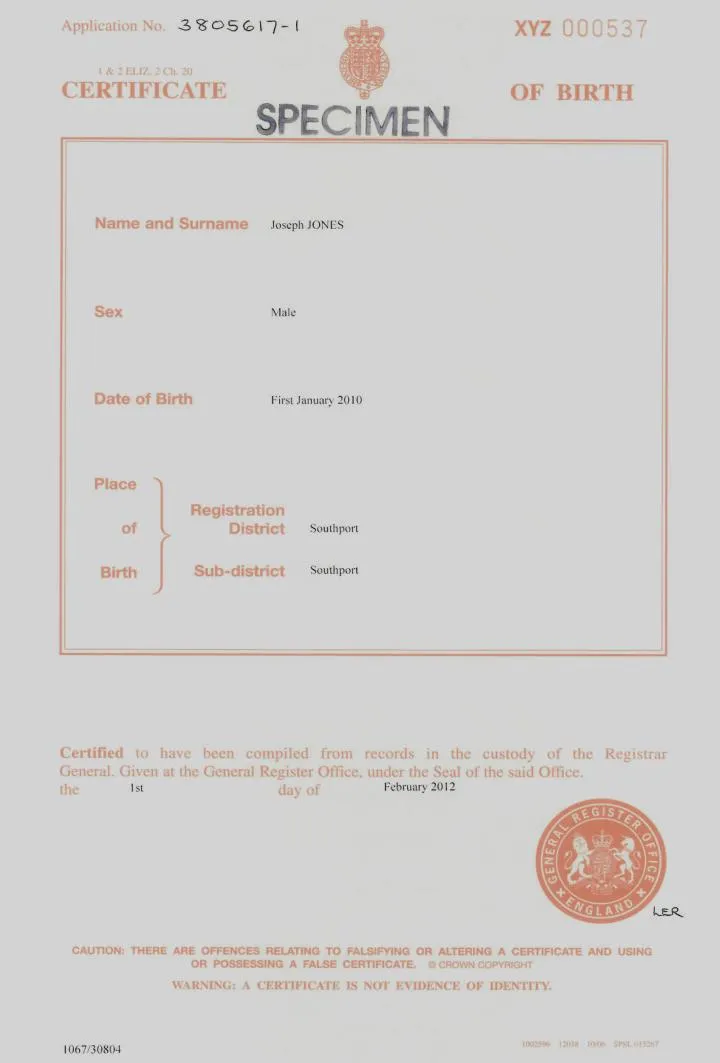
Photo: Didier Descouens, Public domain, via Wikimedia Commons
A child's eighteenth birthday is a family milestone, but in immigration terms it is also a dividing line. Many parents assume that a dependent child's visa simply continues until the family decides otherwise. In practice, the rules that allow a child to remain as a dependent often stop applying once that child becomes an adult. The leave already granted usually runs to its expiry date, but the ability to extend on the same basis may not.
This article explains what changes, why the date of application matters more than the date of decision, and how families can plan ahead so that a birthday does not become a gap in lawful status.
What actually changes when a child turns 18
A dependant child's permission is tied to the parent's sponsorship or status. The Immigration Rules generally require a dependent child to be under 18 on the date of application for that dependent route. Turning 18 does not invalidate leave that has already been granted, and it does not mean the young person must leave the country on their birthday. It does, however, mean that a further application as a dependent child will usually no longer be possible.
That distinction is important. The family may still have months of valid leave left. The difficulty arises when that leave expires and the young person needs to apply again. If they are now 18, they will normally need to qualify in their own right, under a route for which they personally meet the requirements.
The date of application is the date that counts
The Home Office assesses most dependent-child applications by reference to the date the application is submitted and the fee paid, not the date a caseworker makes a decision. A family that submits a valid application the day before the eighteenth birthday is generally in a different position from one that submits it the day after.
This is why waiting for a decision is rarely the right approach. If a young person's leave is due to expire shortly after their birthday, the family should take advice early. It may be possible to submit an extension while the child is still 17, provided the application is valid and the other requirements are met. Leaving the application until after the birthday can remove the dependent route altogether.
Routes that may be open to a young adult
Once a young person can no longer rely on a parent's sponsorship, the question becomes whether they qualify under another route. The right answer depends on their circumstances, but the following are commonly considered.
Student route
A young adult who has a place on a course with a licensed student sponsor may be able to apply for a Student visa. This usually requires a Confirmation of Acceptance for Studies, evidence of maintenance funds, and, depending on the course, evidence of English language ability. Applying from inside the UK is possible for many applicants, but the timing must be carefully managed.
Skilled Worker or Graduate route
Those who complete a UK degree may be able to apply under the Graduate route, which allows a period of work without a specific sponsor. Later, a Skilled Worker application requires a job offer from a licensed sponsor, a qualifying salary, and a certificate of sponsorship. These routes require planning, particularly where a job offer is not yet in place.
Partner route
If the young adult has a partner who is a British citizen, settled in the UK, or otherwise eligible to sponsor them, a partner application may be possible. This route has detailed relationship and financial requirements, and it is not a fallback for anyone who happens to be in a relationship.
Private life and long residence
Some young adults may qualify under the private life rules, for example where they have lived in the UK for a continuous period and meet the relevant criteria. Others may qualify for settlement on the basis of ten years' continuous lawful residence. Long residence applications have strict rules on absences and continuity, and they should be assessed carefully before relying on them.
Settlement as a child before the birthday
Where a parent is settled or applying for settlement, it may be possible for a child to be included as a dependent before they turn 18. In some family cases, a child may also be registered as a British citizen if a parent becomes British and the registration application is made before the child reaches 18. These are time-sensitive options, and early advice is essential.
Evidence the family should gather
A strong application usually begins with a well-organised file. Families should expect to provide:
- the young person's passport and birth certificate;
- evidence of the parent's status and the relationship between parent and child;
- proof of continuous residence, such as school or college letters, GP records, and tenancy documents;
- financial evidence appropriate to the route, including bank statements and, where relevant, a sponsor's documents;
- academic evidence, such as certificates, transcripts, or a Confirmation of Acceptance for Studies;
- English language evidence where the route requires it; and
- a clear cover letter explaining the timeline and the route being applied for.
Evidence should be consistent. Dates on school letters, bank statements, and tenancy agreements should align with the residence history the family is relying on. Gaps and discrepancies invite questions, and questions take time.
Timing risks and avoiding a gap
A gap in lawful status can have serious consequences for future applications, travel, and settlement. The safest approach is to apply before the current leave expires. An in-time valid application usually extends the applicant's existing permission while the Home Office considers it, under what is often called section 3C leave.
Out-of-time applications are sometimes accepted within a short window, but the rules are restrictive and the discretion is not a substitute for proper planning. Families should not assume that a late application will be treated generously, particularly where the young person has turned 18 and the dependent route is no longer available.
Travel should also be considered. Leaving the UK while an application is pending can lead to the application being treated as withdrawn, and re-entry may not be possible on the same basis. Advice should be taken before any booking is made.
A practical timeline
Twelve months before the eighteenth birthday, the family should identify the young person's current route, its expiry date, and any likely future route. Six months before, they should begin gathering evidence and, where necessary, secure a course place, job offer, or other qualifying basis. Three months before, the application should be prepared and, if appropriate, submitted before the birthday.
Where a parent's own leave is due to expire around the same time, the two applications should be considered together. A young person's position can be affected by a parent's application, and sequencing matters.
How Miah Solicitors can help
Every family's timeline is different. Some young people will have a straightforward switch available; others will need a more detailed assessment of private life, long residence, or family settlement options. Our immigration team can review the current leave, identify the relevant deadlines, and help prepare an application that is clear, consistent, and submitted at the right moment.
The eighteenth birthday should be a celebration, not a deadline that catches the family unprepared. Early planning is the most reliable way to keep options open.
This article provides general information and does not constitute legal advice. Individual circumstances vary, and readers should seek advice on their own case.